Catastrophe bonds are headed onchain in Bermuda
Harneys and dropRWA plan tokenised cat bonds for early 2027, with each token as legal ownership and smaller units on the table.
2 minWall Street & RWA
Harneys, a Bermuda-based law firm specialising in global insurance, and the tokenisation platform dropRWA plan to issue tokenised catastrophe bonds early next year. Each token would represent legal ownership of the bond itself, not a claim on a wrapper.
Catastrophe bonds let insurers pass the financial risk of a hurricane, wildfire or earthquake to capital-market investors, who lose principal if a defined event happens. The market is not small. Artemis puts it at $65.6 billion outstanding in June, with $11.3 billion of new issuance in the second quarter, the largest quarterly total on record.
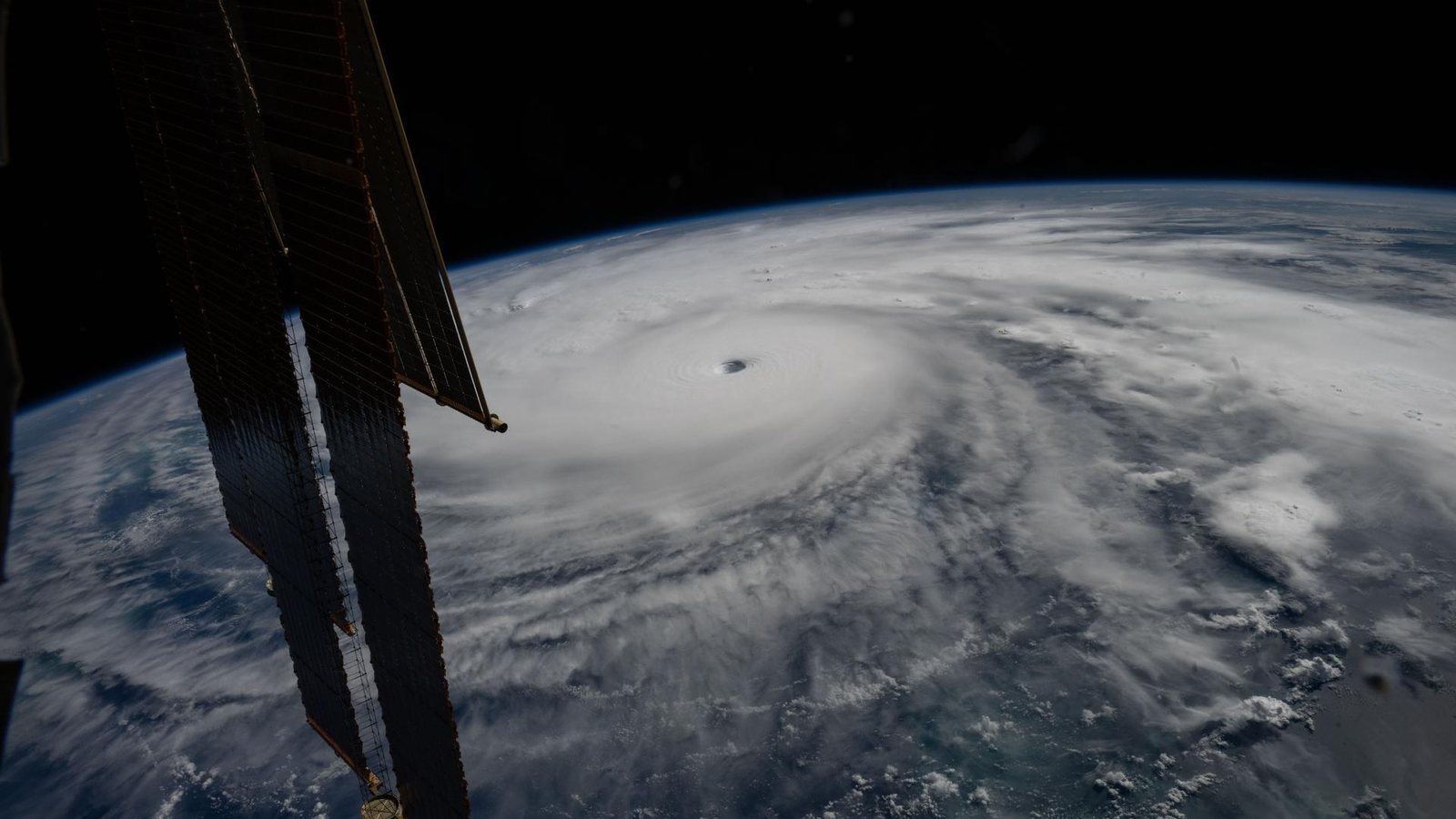
The gap the plan targets is the uninsured share of disaster losses. Swiss Re estimates natural disasters caused $220 billion in economic losses last year, of which insurance covered $107 billion. In the Asia-Pacific region, the OECD found 91% of disaster losses in 2023 were uninsured, partly because thin claims data makes the risk hard to price.
Access is the other argument. Many catastrophe-bond offerings carry minimum investments of $250,000 or more, which keeps them with specialist funds and large institutions. Harneys and dropRWA are considering a structure with smaller beneficial interests, though it would still have to meet securities, insurance and investor-protection rules.
Henry Tucker of Harneys was careful about what tokenisation does not change. The capital is fully committed to a defined insurance risk, he told CoinDesk, so it is not a casino bet. It will not make a flood or typhoon cheaper, and it does not guarantee cheaper insurance for people in exposed areas. What it might do is let a specialist underwriter raise capital for a single hard-to-place risk, such as typhoon cover in Southeast Asia, and set out its assumptions and return openly.
There is precedent for the public side of this. In May the World Bank arranged $200 million of hurricane cover for Jamaica, replacing a transaction that paid out after Hurricane Melissa in 2025.
Retold from CoinDesk. This is a summary in our own words; follow the link for the original reporting.